
Hybridization of IT roles is not an AI trend?
Insight
7
min read
Not driven by AI hype, but by long-term market evolution where boundaries between roles blur and adaptability becomes the core skill.
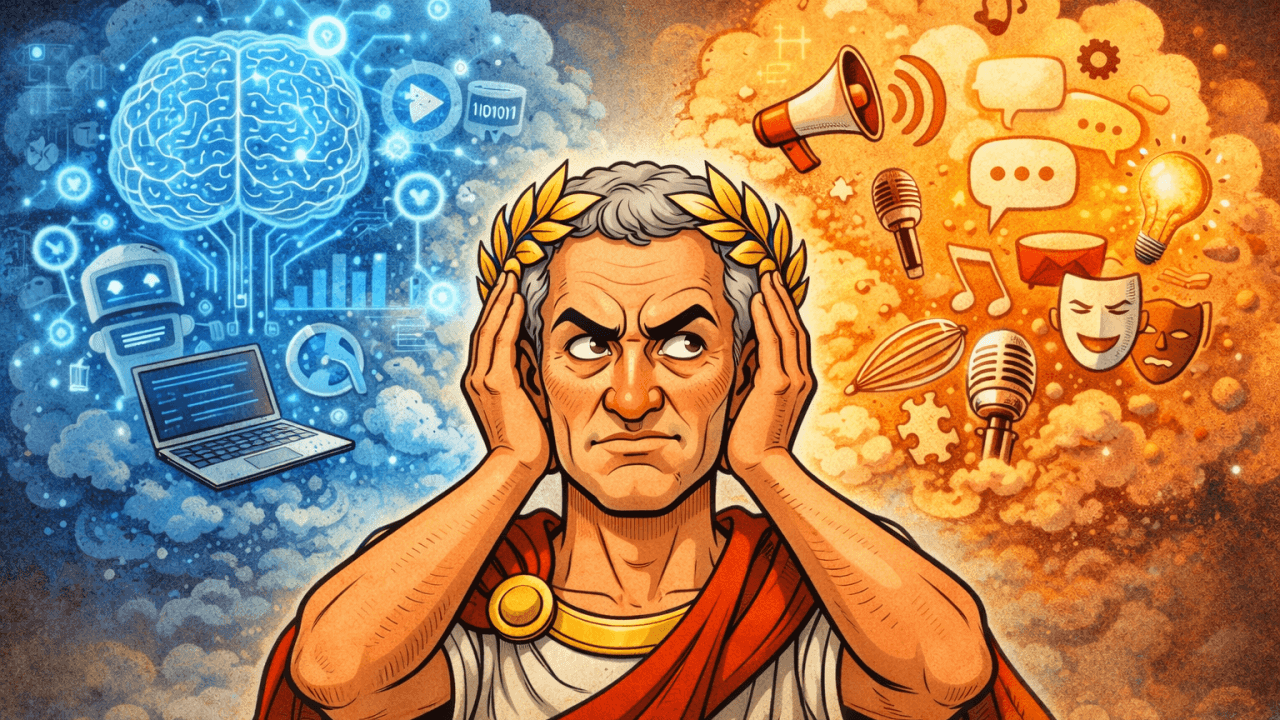
The tech job market feels harder to navigate than it used to. Not because opportunities disappeared, but because the structure of work itself has changed.
On one side, the market looks oversaturated with specialists. On the other, hiring and maintaining teams has become increasingly expensive and risky for businesses.
My hypothesis is simple: this tension is one of the main reasons why roles are becoming more hybrid — not as a trend, but as a necessity.
Hybridization of roles in IT is not something that suddenly appeared with the rise of AI. It’s a logical evolution of the industry.
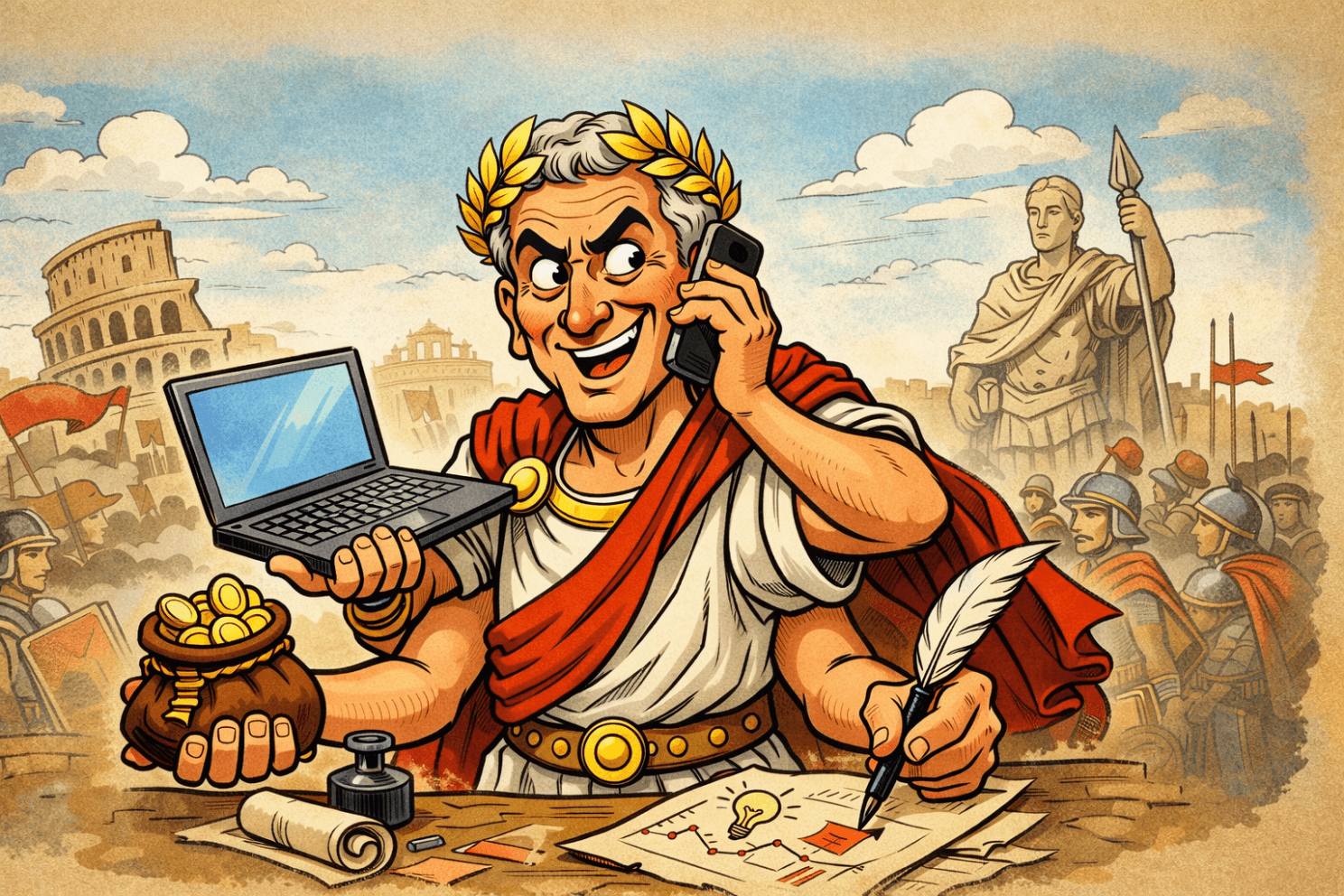
Responsibilities from neighboring roles — PM, BA, QA, Dev, Design, Marketing, CX — have been mixing for years to shorten the path from idea to outcome:
1) value
2) solution
3) implementation
4) validation
5) iteration (nothing extraordinary)
This is basics. Even UX practitioners recommend defining responsibilities via RACI, because real work rarely matches job titles or vacancy descriptions.
Front-end has been blending with back-end for years. Project management with business analysis. Design roles are no exception.
The era of narrow roles is fading (and it hurts)
The “pre-C0V1D” (social media doesn’t like direct "accident" mentions — so here we are) version of narrowly specialized roles is slowly fading away.
Not because those roles are bad — but because:
routine work is being automated
teams are getting smaller
money has become expensive
businesses need faster validation, not long experiments
Yes, narrow specialists still exist. Mostly where automation hasn’t reached yet, or where the cost of mistakes is extremely high.
Good or bad — that’s a philosophical question. But it’s a painful evolutionary phase.
Will IT shrink?
Will the IT market shrink? Possibly. (who knows 🤷)
By 50% in 10 years? I doubt it.
And here’s why:
the number of tools keeps growing
product depth and complexity keep growing
competition between products is increasing
maintenance, evolution, and support don’t disappear
There’s also basic human physics: we can work in an active, focused mode for about 4–5 hours a day. Not more.
Modern technologies, knowledge, practices, and methodologies have significantly compressed many competencies across business analysis, design, and even coding — no matter how many new frameworks appear.
It’s not just about AI. Everything is simply changing faster compared to the knowledge we had 10 years ago.
Today, we have an abundance of all of that. And on top of it — tools that dramatically speed up routine work that previously required dedicated roles.
So there are two sides to this coin.
Yes, some professions are hybridizing. But at the same time, others are transforming — and new roles are emerging.
This isn’t about roles disappearing. It’s about how responsibility, knowledge, and execution are being redistributed.
To keep even mid-complexity products alive, teams must either:
expand their competencies
delegate smarter
or combine both approaches
If you want to dig deeper into why skills are changing and how job profiles are evolving, take a look at this piece from the World Economic Forum’s Future of Jobs Report 2025: Skills Outlook — it explains how employers expect a significant portion of core skills to shift by 2030, reflecting the blend of technical, cognitive, and interpersonal competencies emerging across industries.
Why “just building an app” no longer works
Water-tracking apps are a great example (I remember when this was a trend and everyone on courses was doing case studies of 100 identical apps — until the “innovation” simply became a native iOS widget).
A basic “drink 2 liters of water a day” app:
is outdated
is based on questionable assumptions
delivers little real value
Personally, I never used those apps. I listen to my body. Even with AI, such apps still depend on scientifically validated data and common sense.
Bruuh...
And there are plenty of products like this. What felt useful 10 or even 5 years ago is no longer perceived as innovative or meaningful today, let alone something that genuinely solves a human problem.
Many digital products still rely on the illusion of “fixing a pain” or amplifying an artificial sense of necessity. But both the job market and the IT landscape have changed — expectations are higher, context is richer, and simply shipping an app is no longer enough.
So, the key point is: building products became easier — building meaningful products became harder.
Why roles are changing right now
o build an AI-powered web product today, you no longer need an inflated team of designers, QA engineers, writers, and managers.
A lot can be done:
with existing frameworks
with AI-assisted tools
by smaller teams
On one hand, tools accelerate workflows, so specialists take on adjacent responsibilities to ship MVPs faster and validate ideas earlier. On the other hand, compensation pressure grows due to inflation and high interest rates.
In short: "money" is still expensive.
How the UX/UI role actually changed
UX/UI designers no longer “just design interfaces” (yes, I know — designers with broader responsibilities are often called Product Designers, and that’s exactly the point).
Sometimes the modern specialist looks less like a “role” and more like Julius Caesar —multitasking by necessity, not by choice.
Today, designers often touch:
discovery and problem framing
feature-level strategy
prioritization and trade-offs
UX QA and validation
growth, onboarding, CX
sometimes even code and prototyping
Not everywhere. Not always. But as a direction — this is already reality.
Based on all of the above, the trend toward hybrid work and hybrid roles is not a temporary reaction — it’s a structural shift that will continue to evolve.
For businesses, the core driver is efficiency and sustainability, not “cutting people,” and while this means individuals will need to adapt, learn, and recalibrate more often, it does not signal the end of the job market or some kind of professional apocalypse. As recent research like the World Economic Forum’s Future of Jobs Report 2025 suggests, this is less about disappearance and more about transformation — uncomfortable at times, but not inherently negative.
This article also resonates with my earlier LinkedIn post, “So why are layoffs and the current market situation not AI’s problem?”